Storm & Insurance
Roof insurance claim inspections
A roofer's job in an insurance claim is to document the damage, meet the adjuster on the roof, and provide a repair or replacement scope. You file the claim and deal with your insurer, or hire a licensed public adjuster; in most states a contractor isn't allowed to negotiate the claim for you.
- Same-day inspections when a roofer is available
- All 50 states + D.C.
- Quote before work
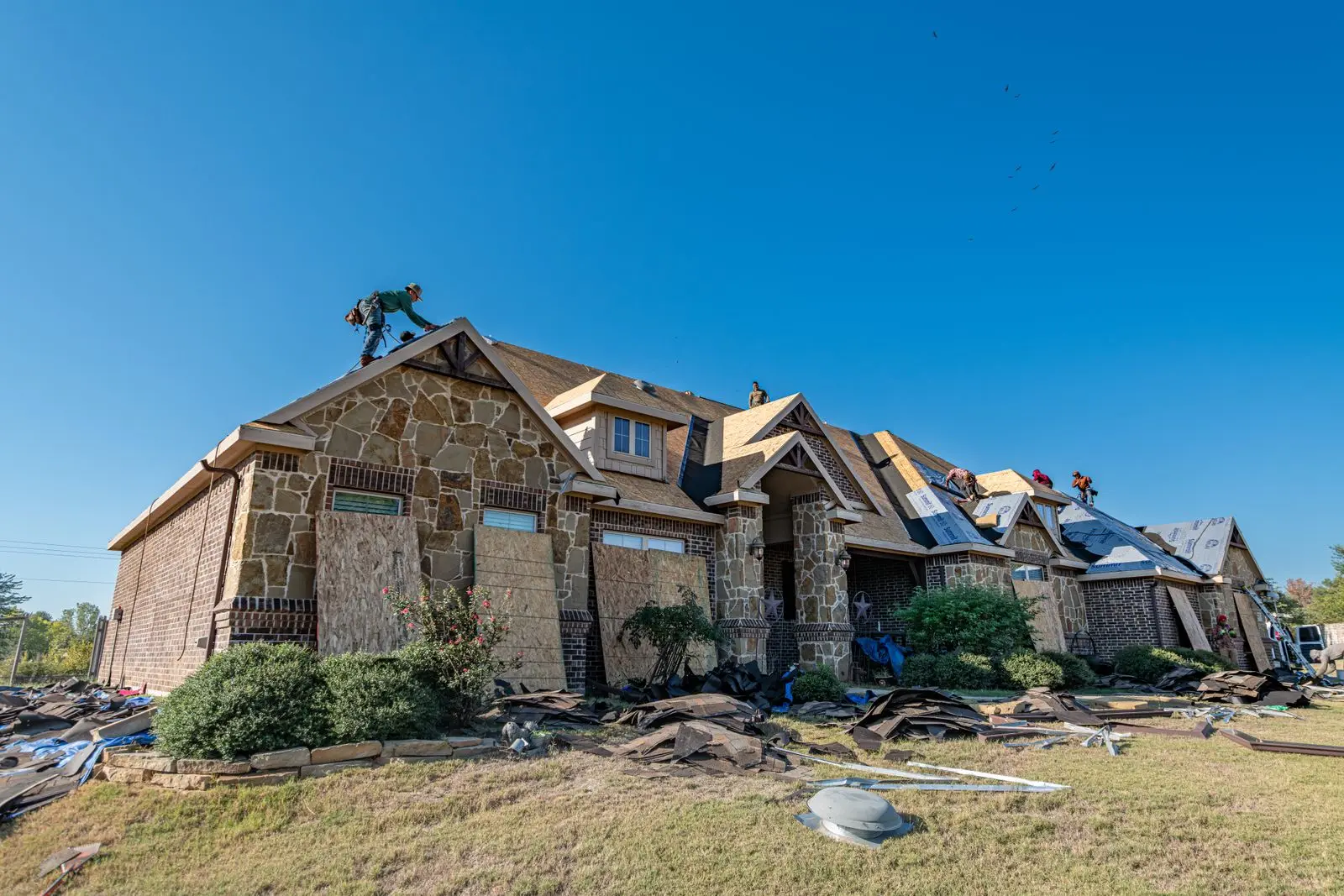
Many storm-related roof replacements are paid through homeowners insurance, and the process goes better with good documentation: dated photos, the storm date, measurements and a clear scope. A thorough inspection before you call your insurer helps you decide whether a claim is worth filing.
Watch the deductible. Policies in hail and hurricane states often carry a separate wind, hail or named-storm deductible set as a percentage of dwelling coverage, which can be several thousand dollars. Several states expressly prohibit contractors from waiving or rebating it.
Insurance claims at a glance
- Who files
- The homeowner
- Contractor's role
- Document, meet the adjuster, provide a scope
- Deductible
- Often a percentage for wind, hail or named storms
- Get help from
- Your state insurance department or a licensed public adjuster
Roof Insurance Claim Inspections is part of storm damage roof repair. Related: hail damage roof repair, hurricane & wind damage repair.
Signs you need insurance claims
- A named storm or hail event passed over your area
- Visible missing or damaged shingles
- Leaks that started after a specific storm
- Neighbors with approved claims
- An insurer requesting a roof inspection or condition report
How the roofer handles it
- 1
Pre-claim inspection
The roofer inspects and photographs the roof and tells you plainly whether the damage looks storm-related.
- 2
File
You report the claim to your insurer with the storm date and photos.
- 3
Adjuster meeting
The contractor can be present when the adjuster inspects, pointing out damage and measurements.
- 4
Scope and supplements
Work follows the approved scope; hidden damage found during the job is documented and submitted as a supplement.
What affects the cost
Prices depend on what the roofer finds, so the contractor quotes after inspecting. These are the main factors:
- Your deductible and policy type (replacement cost vs. actual cash value)
- Depreciation withheld until work is complete
- Code upgrades and whether your policy covers them
- Items outside the roof scope, such as interior repairs
- Upgrades you choose beyond the approved scope
Frequently asked questions
What's the difference between replacement cost and actual cash value?
A replacement-cost policy pays to replace the roof, usually releasing withheld depreciation after the work is done. An actual-cash-value policy pays the depreciated value, so an older roof may pay out much less.
What if my claim is denied?
Ask for the denial in writing with the reasons, request a re-inspection if you have new evidence, or consult a licensed public adjuster or attorney. Your state insurance department can also explain your options.
Can a roofer talk to my insurance company?
A roofer can discuss the scope and meet the adjuster, but negotiating the claim on your behalf is generally limited to you, an attorney or a licensed public adjuster.
Where insurance claims matters most
States where hail and hurricanes & tropical storms drive the most demand. The service is available across our network in all 50 states and D.C.
Related services
Guides
Need insurance claims?
Same-day inspections when a roofer is available. One call connects you with an independent roofer who serves your ZIP.