Short answer
Get the roof inspected and documented, file the claim with your insurer, meet the adjuster on the roof (with your contractor if you like), review the estimate, and schedule the work. You pay your deductible. On replacement-cost policies, withheld depreciation is usually released after the work is finished.
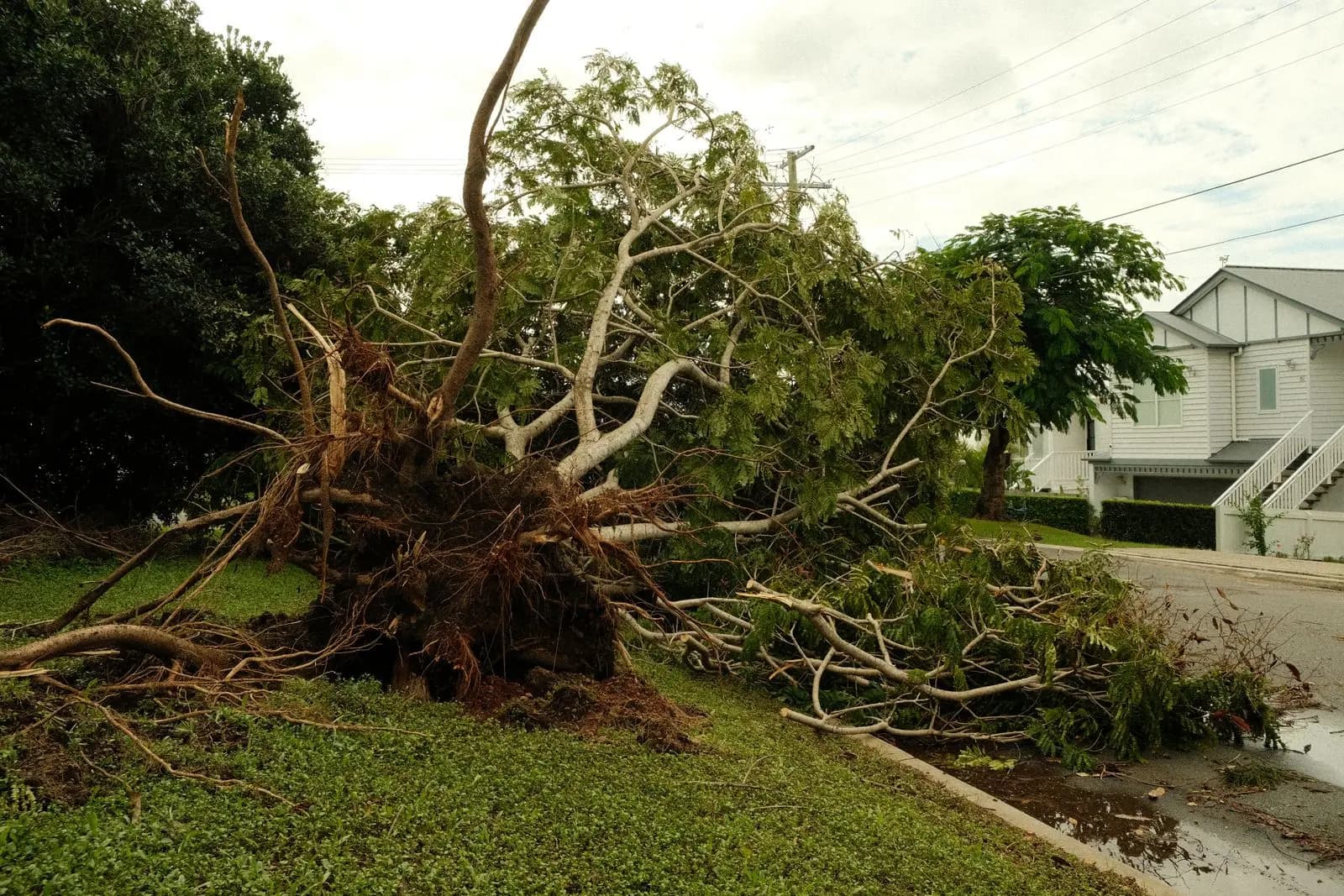
1. Inspect before you file
A roofer can tell you whether the damage looks storm-related and significant enough for a claim. That avoids filing a claim that's denied or worth less than your deductible. Ask for dated photos and a written summary.
2. File and get a claim number
Report the storm date, what you saw and your photos. Your insurer assigns an adjuster and schedules an inspection. Keep a log of every call and email.
3. The adjuster visit
The adjuster inspects the roof and the soft metals and writes an estimate. Having your roofer present helps make sure all slopes, vents, flashing and code items are seen and measured. The roofer can point out damage; negotiating the claim is between you and your insurer, or a licensed public adjuster you hire.
4. Understand the numbers
Your estimate and first payment usually include these items.
- Replacement cost value (RCV): the full cost to replace the roof.
- Depreciation: on replacement-cost policies, held back until the work is done, then released.
- Actual cash value (ACV): RCV minus depreciation; ACV-only policies pay this and no more.
- Deductible: in hail and hurricane states often a percentage of dwelling coverage. You pay it.
5. Supplements and completion
If the roofer finds rotted decking or code-required items not in the estimate, such as ice barrier or drip edge, they document them and submit a supplement. After the work, final invoices and photos let the insurer release the remaining funds.
State rules that protect you
Several states regulate storm-related roofing contracts. Your state insurance department can explain what applies where you live.
- Texas, Colorado and Minnesota are among the states that prohibit contractors from paying, waiving or rebating your deductible.
- Many states limit claim negotiation to you, an attorney or a licensed public adjuster.
- Some states, such as Colorado, give homeowners the right to cancel certain roofing contracts if the insurance claim is denied.
When to call a roofer
- A storm passed and you want to know if a claim is worth filing.
- You want a contractor at the adjuster inspection.
- Your estimate seems to miss slopes, vents or decking.
What the roofer does: see roof insurance claim inspections.
Common questions
How long do I have to file a roof claim?
It depends on your policy and state; many policies require prompt notice and set a deadline after the storm. Read the policy and file promptly.
Should I hire a public adjuster?
For large or disputed claims, a licensed public adjuster can negotiate for you for a percentage of the settlement. Small, straightforward claims often don't need one.
Editorial note: this guide is general information for homeowners, not a diagnosis or insurance advice. Conditions vary by roof, so a roofer should inspect and confirm the cause before any repair.