Storm & Insurance
Storm damage roof repair
After a storm, a roofer checks for hail bruising, creased or missing shingles, lifted flashing, damaged vents and impact from limbs, then documents it with dated photos. Minor damage is repaired; widespread damage on a covered loss usually means a claim and a full replacement.
- Same-day inspections when a roofer is available
- All 50 states + D.C.
- Quote before work
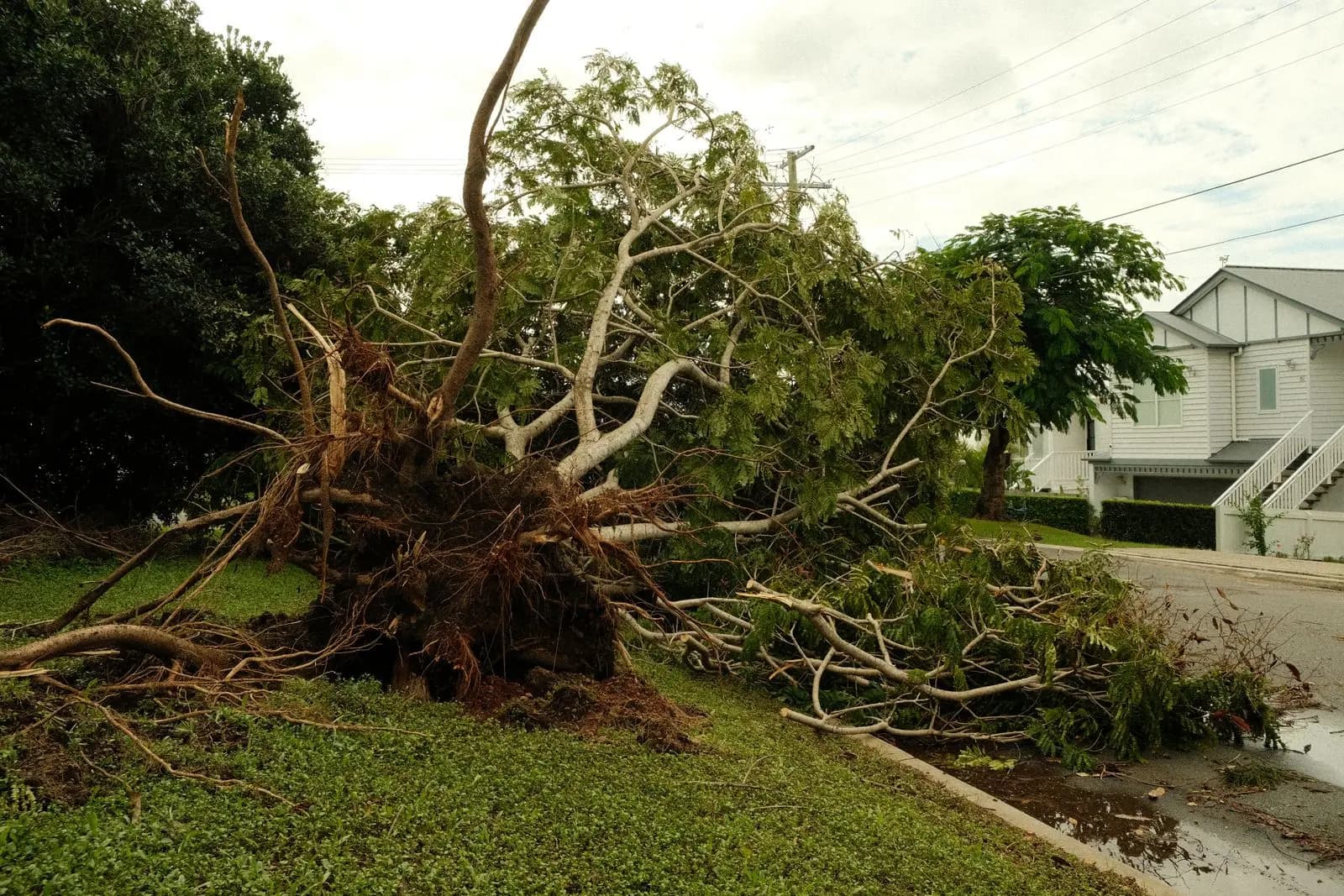
Storm risk varies by region: hail across the Great Plains and Front Range (the area often called Hail Alley), hurricanes and tropical storms from Texas to New England, derechos and tornadoes across the Midwest and South, and nor'easters and heavy snow in the Northeast. Each leaves different damage, and much of it isn't visible from the ground.
Insurance policies set deadlines for reporting damage, so an inspection soon after the storm matters even if nothing leaks yet. Be cautious with out-of-town crews who go door to door after big storms: ask for a local address and proof of insurance, and never sign on the spot.
Storm damage at a glance
- Storm types
- Hail, hurricanes, derechos, tornadoes, nor'easters and snow load
- Inspect within
- Days to a few weeks of the storm
- Deductible
- Paid by you; waivers are illegal in several states
- Keep
- Dated photos, the storm date and every invoice
Types of storm damage
Signs you need storm damage
- Neighbors getting roofs replaced after the same storm
- Dented gutters, vents or a dinged mailbox
- Shingles creased, folded back or missing
- Limbs or debris on the roof
- New leaks after the storm
How the roofer handles it
- 1
Inspect
A full inspection of every slope, the soft metals (vents, gutters, flashing) and the attic, with dated photos.
- 2
Report
You receive a written summary separating storm damage from normal wear.
- 3
Claim support
If you file, the contractor can meet the adjuster on the roof and provide a repair scope. Negotiating the claim is between you, your insurer and, if you hire one, a licensed public adjuster.
- 4
Repair or replace
Work follows the approved scope, with supplements documented if hidden damage turns up.
What affects the cost
Prices depend on what the roofer finds, so the contractor quotes after inspecting. These are the main factors:
- Extent of damage across slopes
- Your deductible (often a percentage of dwelling coverage for wind, hail or hurricanes)
- Code-required upgrades such as drip edge, ice barrier or new decking
- Coastal or high-wind inspection requirements in some states
- Gutters, screens and siding damaged in the same storm
Frequently asked questions
How soon after a storm should my roof be inspected?
Within days or a few weeks. Damage can worsen with the next rain, and policies require prompt notice. Check your policy for the filing deadline.
Can a roofer pay or waive my insurance deductible?
No. Paying the deductible is your obligation under the policy, and several states, including Texas, Colorado and Minnesota, specifically prohibit contractors from waiving or rebating it.
A roofer knocked on my door after the storm. Should I sign?
Don't sign anything on the spot. Get the company's local address and insurance certificate, read the contract, and compare at least one other inspection.
Where storm damage matters most
States where high wind & severe storms drive the most demand. The service is available across our network in all 50 states and D.C.
Related services
Guides
Need storm damage?
Same-day inspections when a roofer is available. One call connects you with an independent roofer who serves your ZIP.