Roof Replacement
Tile roof repair and replacement
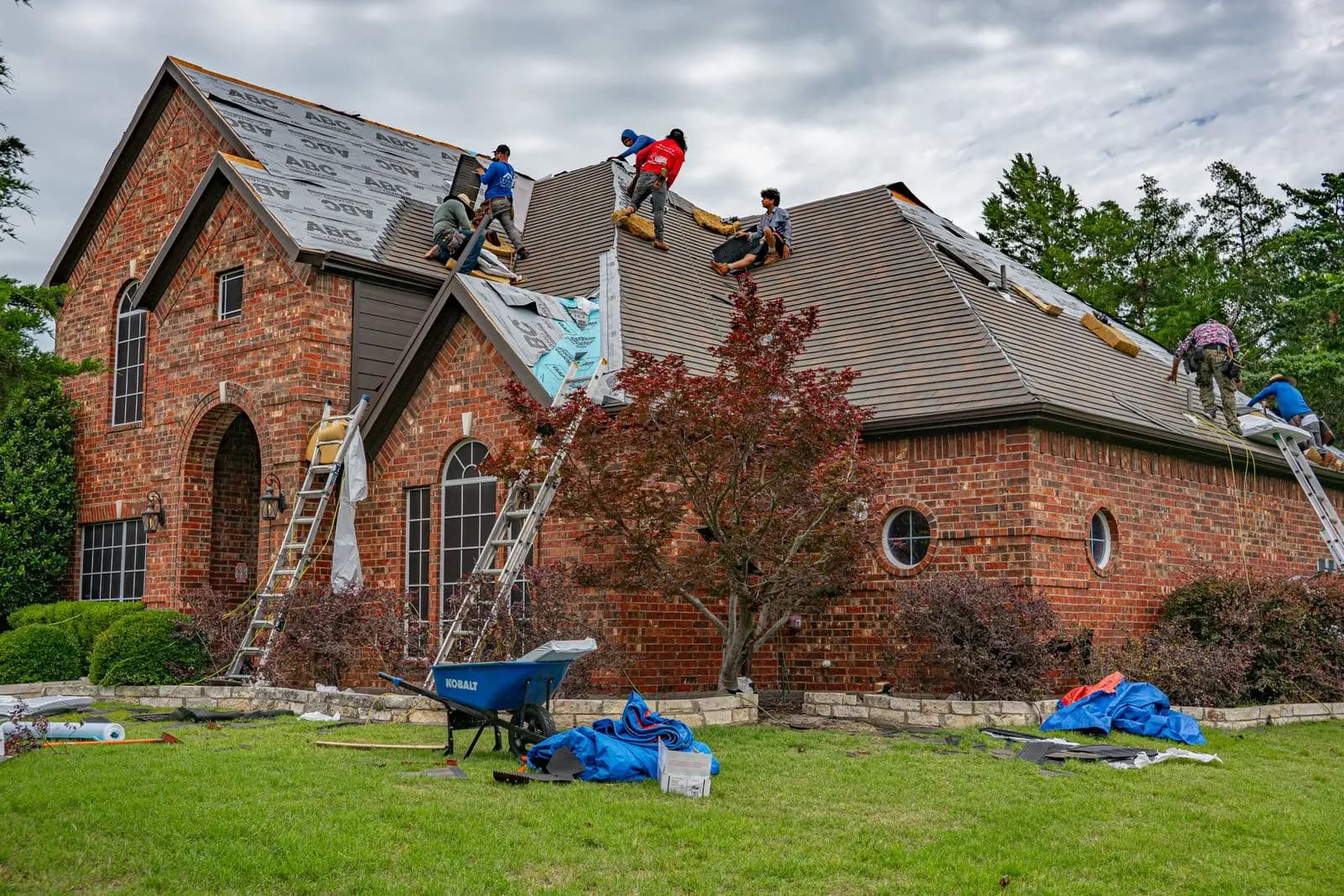
Clay and concrete tiles often outlast the underlayment beneath them. Most tile roof leaks come from aged underlayment, cracked or slipped tiles, and flashing, so a common job is lifting the tiles, replacing the underlayment and battens, and relaying the same tiles with new ones where needed.
- Same-day inspections when a roofer is available
- All 50 states + D.C.
- Quote before work
Tile roofs are common in Florida, Arizona, Southern California, Nevada and parts of Texas and New Mexico, where they suit hot, sunny climates and Spanish and Mediterranean styles. Concrete tile is heavier and less expensive than clay.
In hurricane regions, tile attachment matters: Florida's building code specifies how tiles are fastened or adhered to resist wind. Walking on tile cracks it, so inspections and repairs should be left to roofers who work with tile regularly.
Tile roofing at a glance
- Fails first
- Underlayment beneath the tiles
- Common in
- Florida, Arizona, Southern California and Nevada
- Tile life
- 50 years or more
- Coastal rule
- Wind-rated attachment
Tile Roofing (Clay & Concrete) is part of roof replacement. Related: asphalt shingle roofing, impact-resistant (class 4) shingles, metal roofing.
Signs you need tile roofing
- Cracked, slipped or missing tiles
- Leaks despite tiles that look intact
- Underlayment 20 or more years old
- Debris and dams in valleys
- Mortar breaking up at ridges and hips
How the roofer handles it
- 1
Inspect
The roofer checks tiles, ridges, valleys and, by lifting sample tiles, the underlayment.
- 2
Repair
Cracked tiles are replaced and slipped tiles reset; ridge and hip mortar or fasteners are redone.
- 3
Underlayment replacement
Tiles are removed and stacked, new underlayment and battens installed, and tiles relaid with replacements as needed.
- 4
Attach to code
Tiles are fastened or adhered to the wind requirements for your area.
What affects the cost
Prices depend on what the roofer finds, so the contractor quotes after inspecting. These are the main factors:
- Clay vs. concrete tile
- Availability of matching replacement tiles
- Underlayment type
- Roof size and pitch
- Wind attachment requirements
Frequently asked questions
How long does a tile roof last?
The tiles themselves can last 50 years or more, but underlayment often needs replacing after about 20 to 30 years, depending on type and climate.
Can I walk on my tile roof?
It's best not to. Tiles crack under foot traffic; a tile roofer knows where to step and how to spread load.
Where tile roofing matters most
States where wildfire and heat & intense sun drive the most demand. The service is available across our network in all 50 states and D.C.
Related services
Guides
Need tile roofing?
Same-day inspections when a roofer is available. One call connects you with an independent roofer who serves your ZIP.