Short answer
Most homes ignite from wind-blown embers, not the wall of flame, and the roof is the largest target. A Class A rated roof assembly, ember-resistant vents, and clean gutters and valleys make the biggest difference. Class A options include many asphalt shingles, metal, clay and concrete tile, and some treated products.
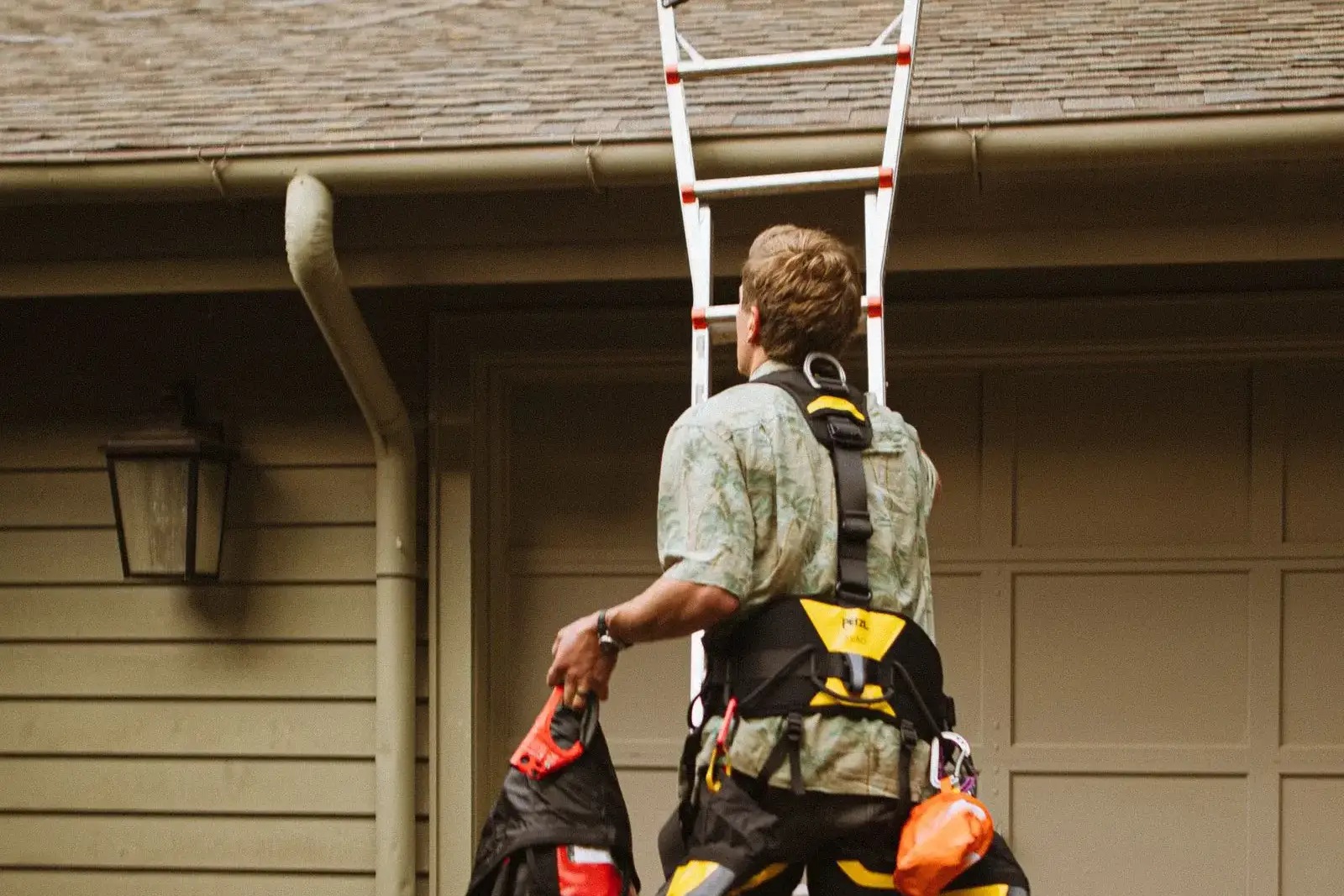
How roofs catch fire
Embers can travel a mile or more ahead of a fire. They land in gutters full of dry leaves, in valleys and against roof-to-wall joints, and they get sucked through attic vents. Untreated wood shakes are especially vulnerable.
What Class A means
Roof fire ratings come from standardized tests; Class A is the highest. Many products reach Class A only as part of a specific assembly with the right underlayment, so ask for the rated assembly, not just the shingle.
Details that matter as much as the roof
- Ember- and flame-resistant attic and soffit vents with fine mesh.
- Gutters and valleys kept free of leaves and needles, or covered with noncombustible guards.
- Bird stops or closures at the ends of tile and metal roofs.
- Noncombustible drip edge and a gap-free roof-to-wall transition.
Rules in fire-prone states
California's wildland-urban interface building standards require Class A roofing and ember-resistant features in designated fire hazard areas, and many communities across Colorado, Oregon, Washington, Idaho, Montana, Utah, Nevada, Arizona and New Mexico have their own requirements. Check with your local building department.
When to call a roofer
- You live near forest, brush or grassland.
- Your roof is wood shake or not Class A rated.
- Your vents are open louvers without fine mesh.
What the roofer does: see metal roofing.
Common questions
Is a metal roof fireproof?
Metal is noncombustible and typically part of a Class A assembly, but embers can still enter through vents and gaps, so those details matter too.
Can I treat my wood shake roof instead of replacing it?
Fire-retardant treatments wear off over time. In high-risk areas, replacing shakes with a Class A assembly is the more reliable choice.
Editorial note: this guide is general information for homeowners, not a diagnosis or insurance advice. Conditions vary by roof, so a roofer should inspect and confirm the cause before any repair.