Short answer
Roof replacement prices are driven by roof size in squares, pitch and complexity, the material chosen, decking repairs, code items such as ice barrier and drip edge, ventilation and flashing scope, permits or special inspections, and demand after storms. Compare quotes line by line, not just by the total.
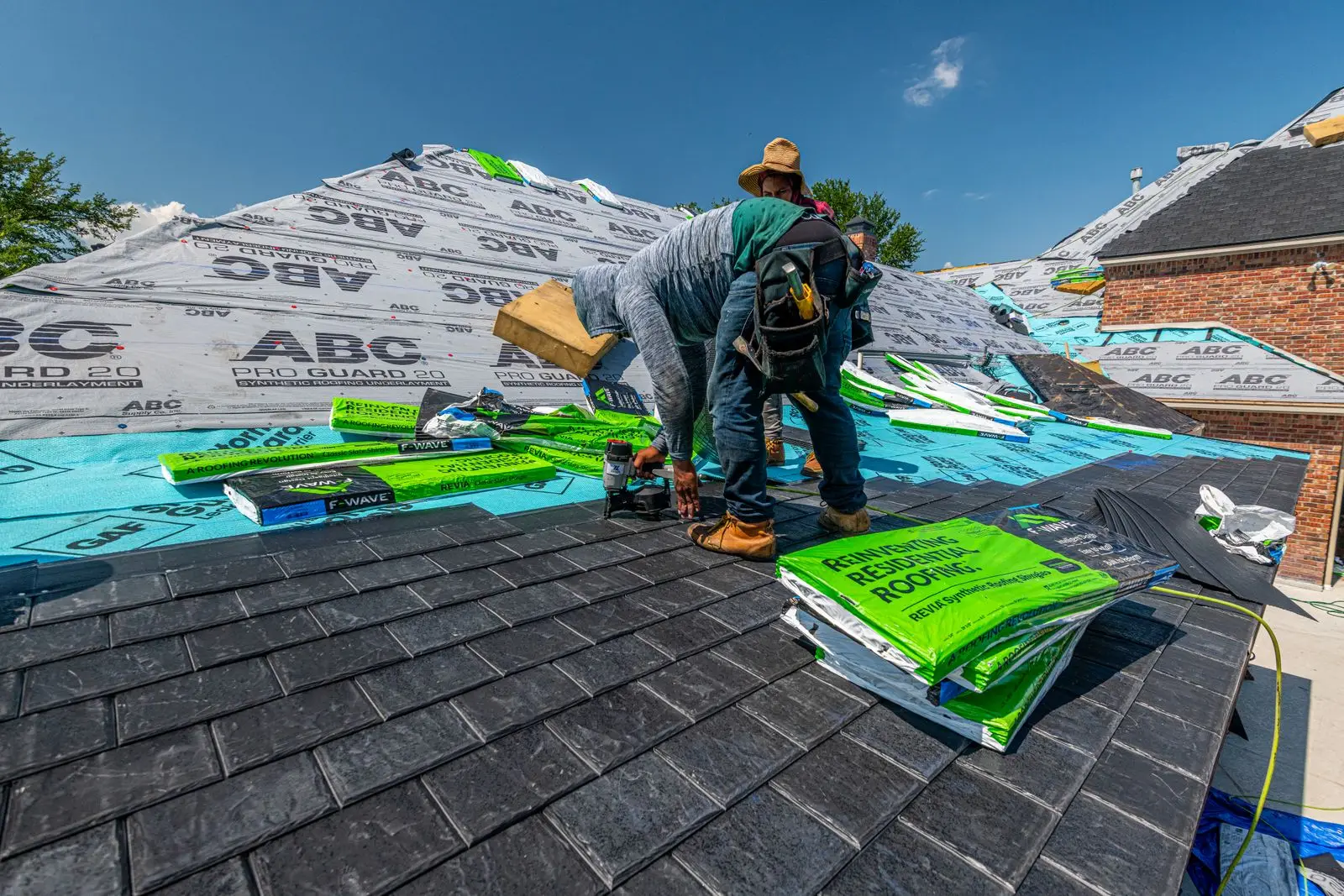
Size and complexity
Roofers price by the square, 100 square feet of roof surface. A steep hip roof with many valleys, dormers and walls takes more labor, waste and flashing than a simple gable roof of the same size.
Materials
- Standard architectural shingles cost the least of the common options.
- Designer and Class 4 shingles cost more per square.
- Standing seam metal and tile cost considerably more but last longer.
- Synthetic underlayment, ice barrier and new drip edge add to the base cost.
Hidden items
Rotted decking is found only after tear-off, so quotes usually include a per-sheet price. Extra shingle layers, ventilation upgrades, chimney work, skylights and gutters also change the total.
Location and timing
Labor and material costs vary by region. Permits, coastal wind or wildfire code requirements, HOA rules, short building seasons in cold states, and spikes in demand after major storms all affect pricing and schedules.
Comparing quotes
Ask every contractor to list the same items.
- Number of squares and the waste factor.
- Exact roofing product, underlayment, ice barrier and drip edge.
- Whether flashing, boots and vents are replaced or reused.
- Decking price per sheet.
- Workmanship warranty length, in writing.
When to call a roofer
- You want a written, itemized replacement quote.
- Your quotes are far apart and you want another measurement.
What the roofer does: see roof replacement.
Common questions
Why don't you list prices?
Prices depend on the roof, materials, region and timing, and each contractor sets its own. An itemized quote after measurement is the reliable number.
Is the cheapest quote a bad sign?
Not necessarily, but check what's left out: reused flashing, no drip edge, no ice barrier where code requires it, or a short workmanship warranty.
Editorial note: this guide is general information for homeowners, not a diagnosis or insurance advice. Conditions vary by roof, so a roofer should inspect and confirm the cause before any repair.