Roof Replacement
Roof replacement
A roof replacement tears off the old roofing down to the deck, replaces damaged decking, installs new underlayment, drip edge, flashing and vents, and then the new roof covering. Most single-family homes are re-roofed in one to three days, depending on size, material and weather.
- Same-day inspections when a roofer is available
- All 50 states + D.C.
- Quote before work
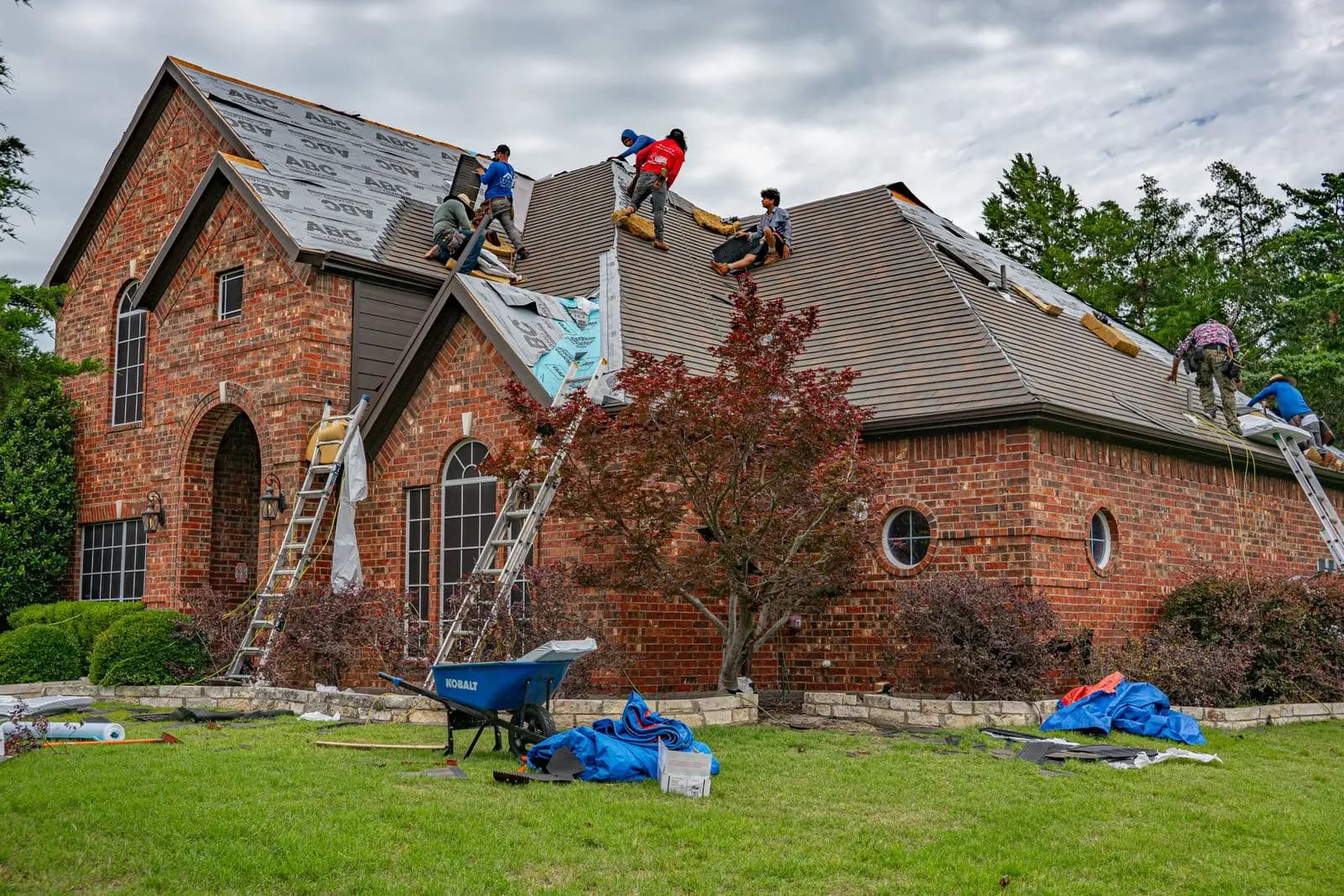
How long a roof lasts depends heavily on climate. Asphalt shingles age fastest under intense sun and heat in the South and Southwest, while freeze-thaw cycles, ice dams and snow load wear roofs in the North. Hail and hurricane exposure can end a roof's life early anywhere.
The parts you don't see matter as much as the shingle. In cold-climate states, building codes require an ice barrier membrane along the eaves. Everywhere, ask what underlayment, drip edge, pipe boots, flashing and ventilation are included so quotes are comparable.
Roof replacement at a glance
- Typical install
- One to three days for most homes
- Includes
- Underlayment, drip edge, flashing, boots and vents
- Cold climates
- Ice barrier along the eaves required by code
- Check first
- Permit, HOA and historic-district rules
Types of roof replacement
Signs you need roof replacement
- Roof is 15 to 20 or more years old
- Curling, cupping or cracked shingles
- Bald patches with heavy granule loss
- Repeated leaks in different places
- Sagging lines along the roof deck
How the roofer handles it
- 1
Inspect and measure
The roofer measures every slope, checks the attic and ventilation, and notes decking condition.
- 2
Written options
You get a scope listing roofing material, underlayment, ice barrier, flashing, vents and warranty, plus any HOA or historic-district approvals needed.
- 3
Tear-off and install
Old roofing is removed, decking repaired, and the new system installed to the manufacturer's specification and local code.
- 4
Clean-up and closeout
Magnetic sweeps pick up nails, and you receive photos, warranty registration and any permit paperwork.
What affects the cost
Prices depend on what the roofer finds, so the contractor quotes after inspecting. These are the main factors:
- Roof size in squares and the number of slopes, valleys and penetrations
- Pitch and height, which affect labor and safety equipment
- Material: architectural shingles, Class 4, metal, tile or slate
- Decking replacement and number of existing layers
- Ice barrier, ventilation upgrades and local permit requirements
Frequently asked questions
How long does a roof last?
Architectural asphalt shingles typically last about 15 to 30 years depending on climate and ventilation, metal 40 to 70 years, and concrete or clay tile 40 years or more. Hot, sunny and storm-prone regions sit at the low end.
Can new shingles go over the old ones?
Many codes allow one overlay, but most roofers recommend a full tear-off so damaged decking can be found and the roof can be warrantied properly. Overlays aren't allowed over two existing layers.
Do I need a permit to replace my roof?
In most cities and counties, yes. Requirements vary by local jurisdiction, so ask the contractor to confirm and pull the permit where required.
Roof replacement by state
Before and after
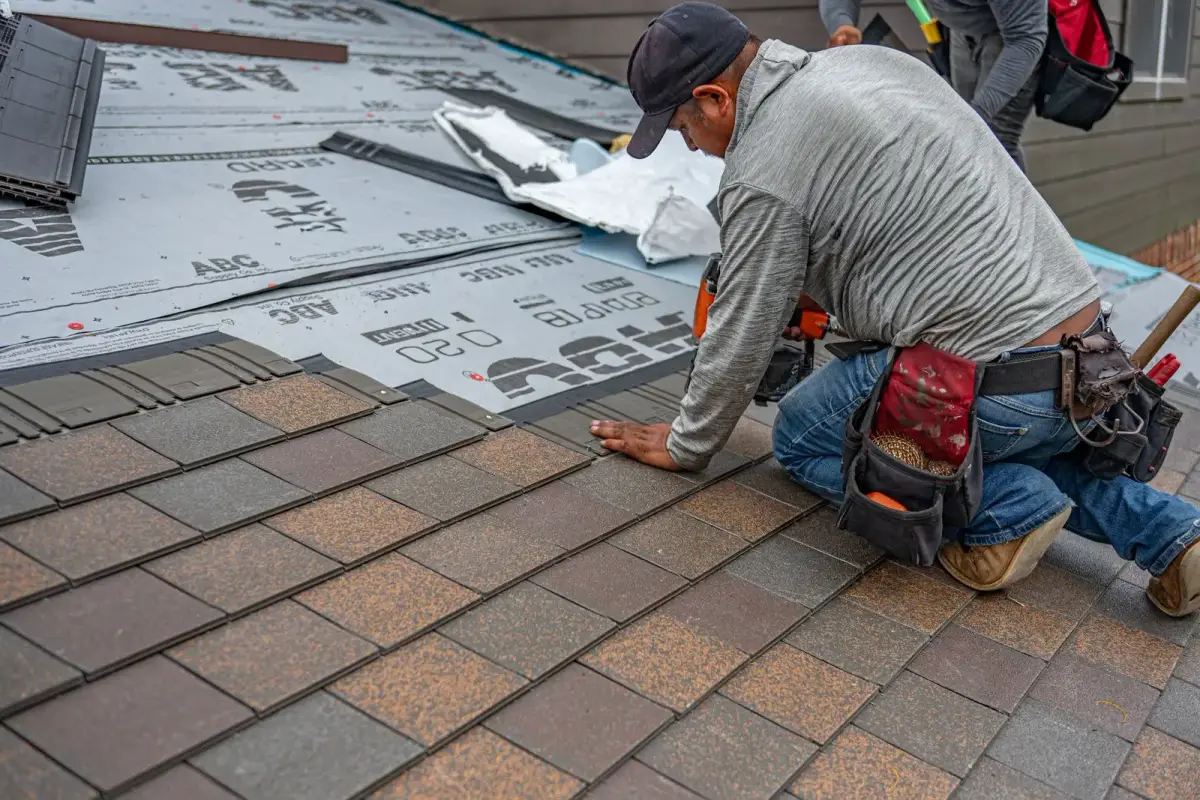

Worn, broken shingles replaced with a new shingle roof
Brittle, curling shingles lose their seal and break in the next storm. A full tear-off exposes the decking for repair, and new shingles go down with fresh underlayment and flashing.
Stock example photos, not a job by a contractor in our network.
Related services
Guides
Need roof replacement?
Same-day inspections when a roofer is available. One call connects you with an independent roofer who serves your ZIP.