Short answer
Architectural asphalt shingles typically last about 15 to 30 years, standing seam metal 40 years or more, clay and concrete tile 50 years or more (with underlayment replaced sooner), and flat membranes about 15 to 30 years. Hot, sunny and storm-prone regions sit at the low end of those ranges.
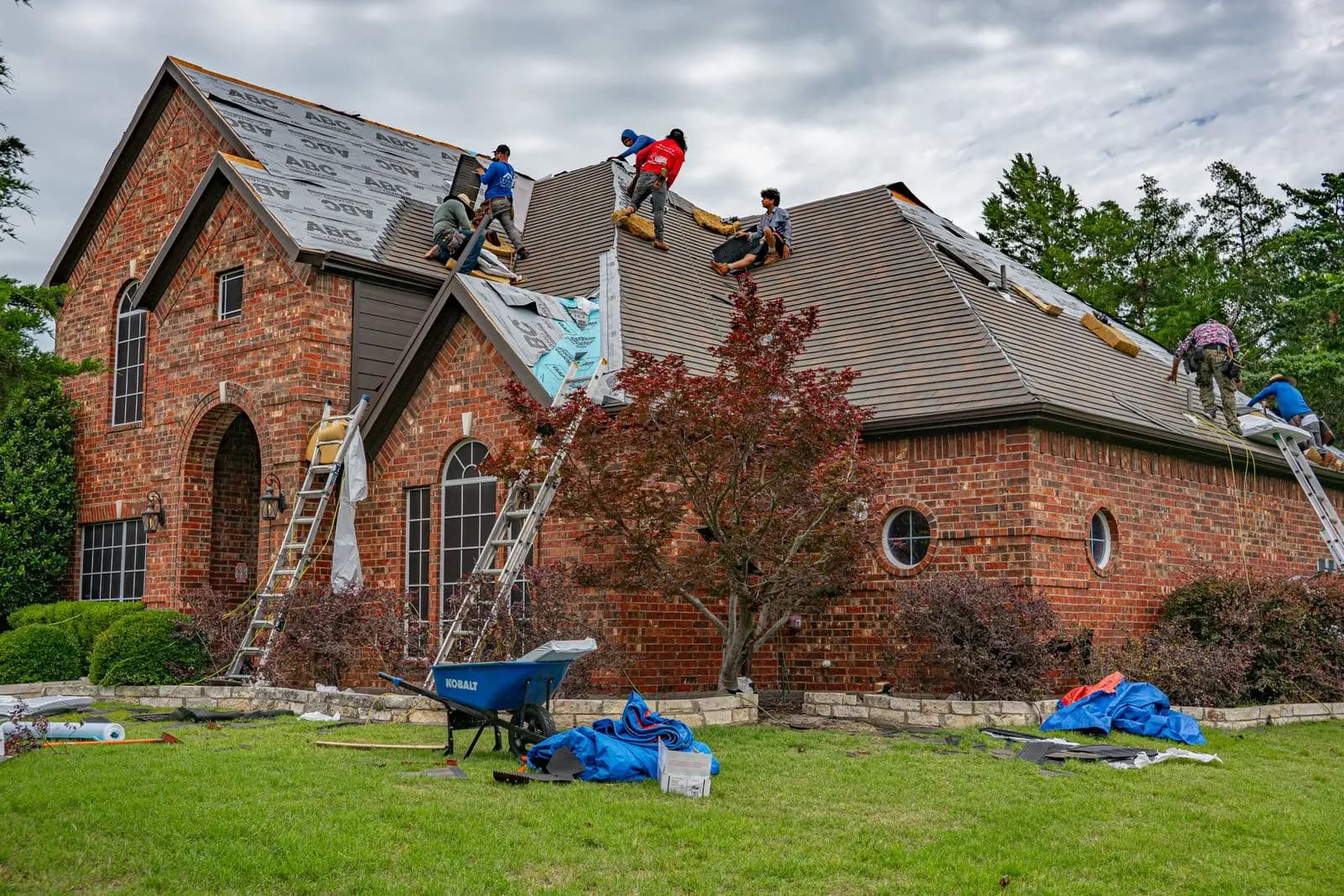
Typical lifespans
Ranges assume correct installation and reasonable maintenance.
- Three-tab asphalt shingles: about 12 to 20 years.
- Architectural shingles: about 15 to 30 years.
- Class 4 impact-resistant shingles: similar or longer, with better hail survival.
- Standing seam metal: 40 years or more.
- Clay or concrete tile: 50 years or more; underlayment often 20 to 30 years.
- Modified bitumen, EPDM or TPO flat roofs: about 15 to 30 years.
How climate changes the number
- South and Southwest: heat and UV dry out asphalt; shingles often land at 15 to 20 years.
- Plains and Front Range: hail can end a roof's life early regardless of age.
- Gulf and Atlantic coasts: hurricanes and salt air stress edges and metals.
- North: freeze-thaw, ice dams and snow load wear flashing and eaves.
- Pacific Northwest: moss and constant moisture shorten life on shaded roofs.
What extends roof life anywhere
- Balanced attic ventilation with clear soffit intake.
- Keeping valleys and gutters clear.
- Replacing pipe boots before they crack.
- Trimming branches away from the roof.
- Inspections after major storms.
Finding your roof's age
Check closing documents, permit records, the seller's disclosure or a shingle wrapper in the attic. A roofer can also estimate age from shingle type and condition.
When to call a roofer
- Your roof is aging and you don't know its condition.
- Your insurer asked for the roof's age.
- You see curling, granule loss or brittle shingles.
What the roofer does: see roof replacement.
Common questions
Does a lifetime shingle warranty mean the roof lasts forever?
No. It covers manufacturing defects, usually with coverage reducing over time, and doesn't guarantee lifespan in your climate.
Do darker shingles wear out faster?
They run hotter, which can age them somewhat faster in hot climates, especially with poor ventilation.
Editorial note: this guide is general information for homeowners, not a diagnosis or insurance advice. Conditions vary by roof, so a roofer should inspect and confirm the cause before any repair.