Roof Repair
Ice dam removal and prevention
An ice dam forms when heat escaping into the attic melts snow higher on the roof and the water refreezes at the colder eaves. The ridge of ice backs water up under the shingles. Professionals remove dams with low-pressure steam, and prevention comes from air sealing, insulation, ventilation and an ice barrier membrane.
- Same-day inspections when a roofer is available
- All 50 states + D.C.
- Quote before work
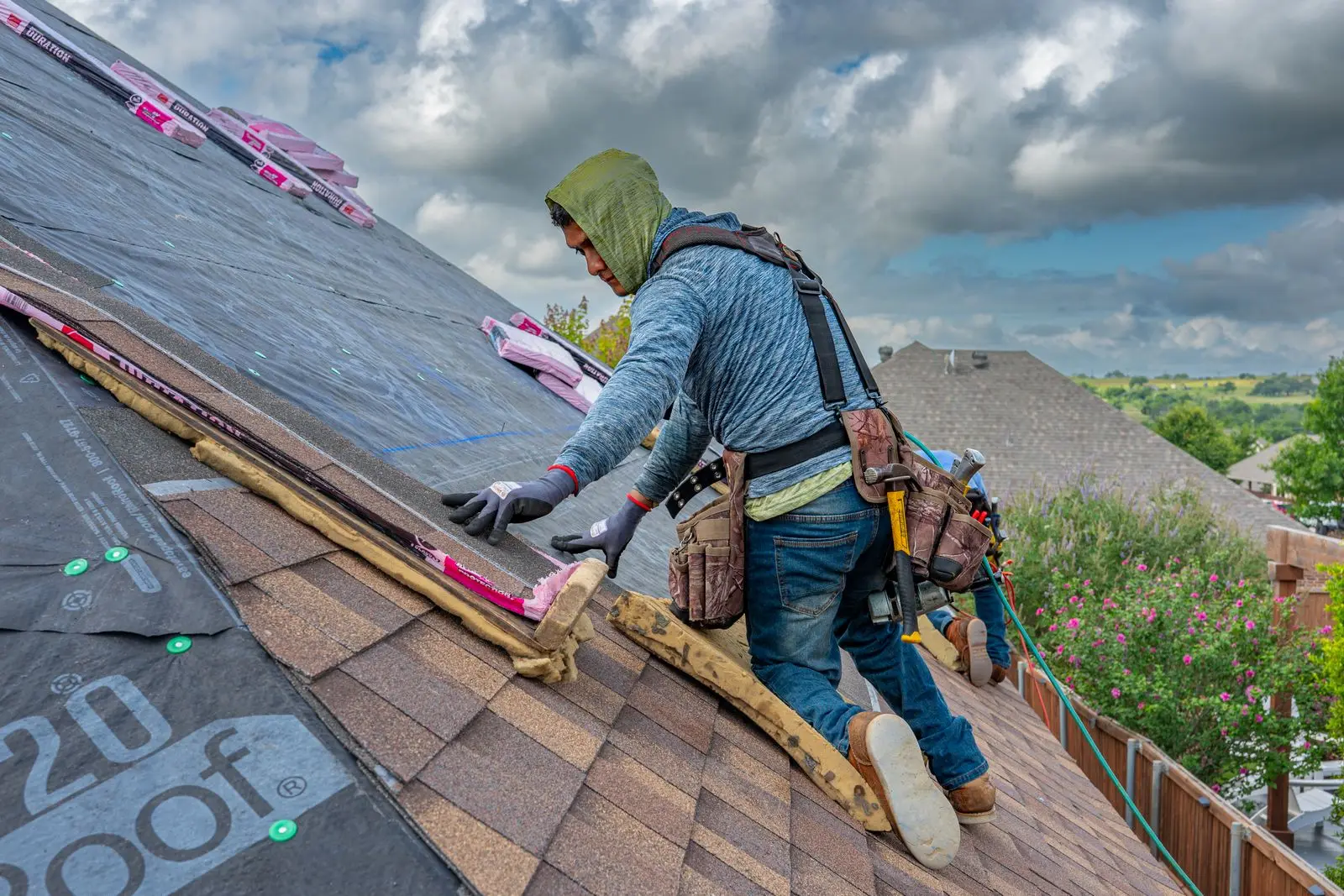
Ice dams are a winter problem across the snow belt: New England, New York, the Upper Midwest, the Great Lakes states, and mountain areas of the West. They're most common on homes with warm attics, complex roof lines, and older houses built before ice barrier membranes were standard.
Model building codes require an ice barrier extending from the eave edge to at least 24 inches inside the exterior wall in areas where ice dams have a history of forming. That membrane limits leaks when a dam forms, but stopping attic heat loss is what stops dams.
Ice dams at a glance
- Cause
- Attic heat melting snow that refreezes at the eaves
- Safe removal
- Low-pressure steam
- Code protection
- Ice barrier to 24 inches inside the exterior wall
- Common in
- Northeast, Great Lakes, Upper Midwest and mountain West
Ice Dam Removal & Prevention is part of roof repair. Related: roof leak repair, emergency roof repair & tarping.
Signs you need ice dams
- Thick ridges of ice along the eaves
- Large icicles hanging from gutters
- Water stains on ceilings or exterior walls during thaws
- Frost or wet insulation in the attic
- Snow melting on the upper roof while the eaves stay frozen
How the roofer handles it
- 1
Remove
A crew uses low-pressure steam to cut channels through the dam so water can drain, without damaging shingles.
- 2
Trace the heat loss
Attic bypasses around lights, chimneys, plumbing stacks and hatches are identified.
- 3
Fix the cause
Air sealing, added insulation and balanced ventilation keep the roof deck cold.
- 4
Protect the eaves
At the next re-roof, an ice barrier membrane is installed along the eaves and valleys.
What affects the cost
Prices depend on what the roofer finds, so the contractor quotes after inspecting. These are the main factors:
- Length of eaves and thickness of the ice
- Roof height and access in snow
- Interior water damage
- Attic air sealing and insulation work
- Adding ice barrier during a re-roof
What you can do, and when to stop
Safe to do yourself
- Clear snow from the lower few feet of the roof with a roof rake from the ground
- Keep gutters and downspouts clear before winter
- Catch interior drips and move belongings
Call a roofer
- Chipping ice with hammers, chisels or axes
- Climbing onto an icy roof
- Using salt products that damage shingles, metal and plants
Frequently asked questions
Do heat cables prevent ice dams?
They can keep drainage paths open in trouble spots, but they don't fix the attic heat loss that causes ice dams. Air sealing and insulation are the lasting fix.
Is ice dam damage covered by insurance?
Interior water damage from ice dams is often covered under standard homeowners policies, while removal and prevention usually aren't. Check your policy.
Where ice dams matters most
States where snow & ice dams drive the most demand. The service is available across our network in all 50 states and D.C.
Need ice dams?
Same-day inspections when a roofer is available. One call connects you with an independent roofer who serves your ZIP.