Roof Repair
Emergency roof repair and tarping
An emergency roof visit stops water from getting in: the roofer secures a tarp over the damaged area, battens it down so wind can't peel it off, and photographs the damage for your insurance claim. Permanent repairs follow once the weather and the claim allow.
- Same-day inspections when a roofer is available
- All 50 states + D.C.
- Quote before work
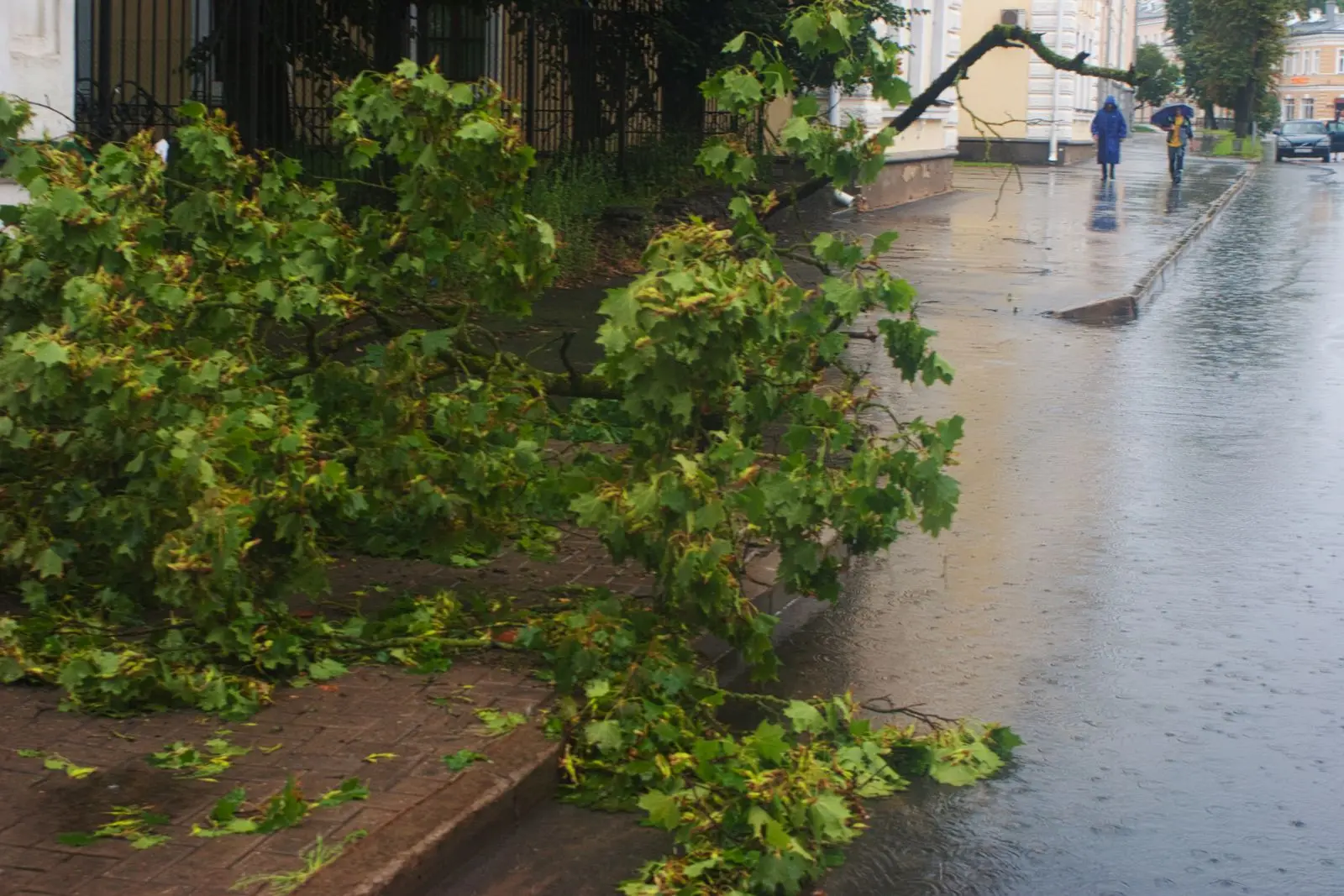
After a hurricane, derecho, tornado, heavy snow load or a fallen tree, the first job is keeping the next rain out. A properly installed tarp runs over the ridge, is fastened with wood battens rather than nails through the plastic, and can protect a roof for weeks while a claim is processed.
Safety comes first: stay off a damaged roof, keep away from downed power lines, and stay out of rooms beneath a tree resting on the structure. After large regional storms, demand for tarping spikes, so request help as soon as it's safe.
Emergency tarping at a glance
- First priority
- Stop water entry and stay safe
- Tarp method
- Over the ridge, secured with wood battens
- Before covering
- Photograph and measure the damage
- Lasts
- Weeks to a few months while the claim is handled
Emergency Roof Repair & Tarping is part of roof repair. Related: roof leak repair, ice dam removal & prevention.
Signs you need emergency tarping
- A tree or large limb on the roof
- Sections of shingles or decking torn away
- Water actively coming through a ceiling
- Daylight through the roof deck
- A sagging ceiling holding water
How the roofer handles it
- 1
Make it safe
The roofer checks for structural damage and downed lines, and coordinates with a tree service when a trunk is on the roof.
- 2
Document
Photos and measurements of the damage are taken before anything is covered.
- 3
Tarp and seal
A heavy tarp is run over the ridge and secured with battens, or holes are temporarily decked and sealed.
- 4
Plan the repair
You get a scope for the permanent repair or replacement to share with your insurance adjuster.
What affects the cost
Prices depend on what the roofer finds, so the contractor quotes after inspecting. These are the main factors:
- Size of the area to cover
- Whether temporary decking is needed under the tarp
- Roof height and pitch
- Tree removal (usually a separate company)
- Demand immediately after a regional storm
Frequently asked questions
Does homeowners insurance pay for emergency tarping?
Most policies expect you to take reasonable steps to prevent further damage, and that cost is often reimbursed as part of a covered claim. Keep the invoice and photos.
How long can a tarp stay on a roof?
A well-secured tarp typically lasts several weeks to a few months. Sun breaks the plastic down, so plan the permanent repair as soon as your claim allows.
Should I tarp the roof myself?
Not after a storm. Wet or icy shingles, debris, damaged decking and power lines make it dangerous. Only cover small, low areas from a ladder, and only if you're comfortable doing it.
Where emergency tarping matters most
States where hurricanes & tropical storms drive the most demand. The service is available across our network in all 50 states and D.C.
Related services
Guides
Need emergency tarping?
Same-day inspections when a roofer is available. One call connects you with an independent roofer who serves your ZIP.